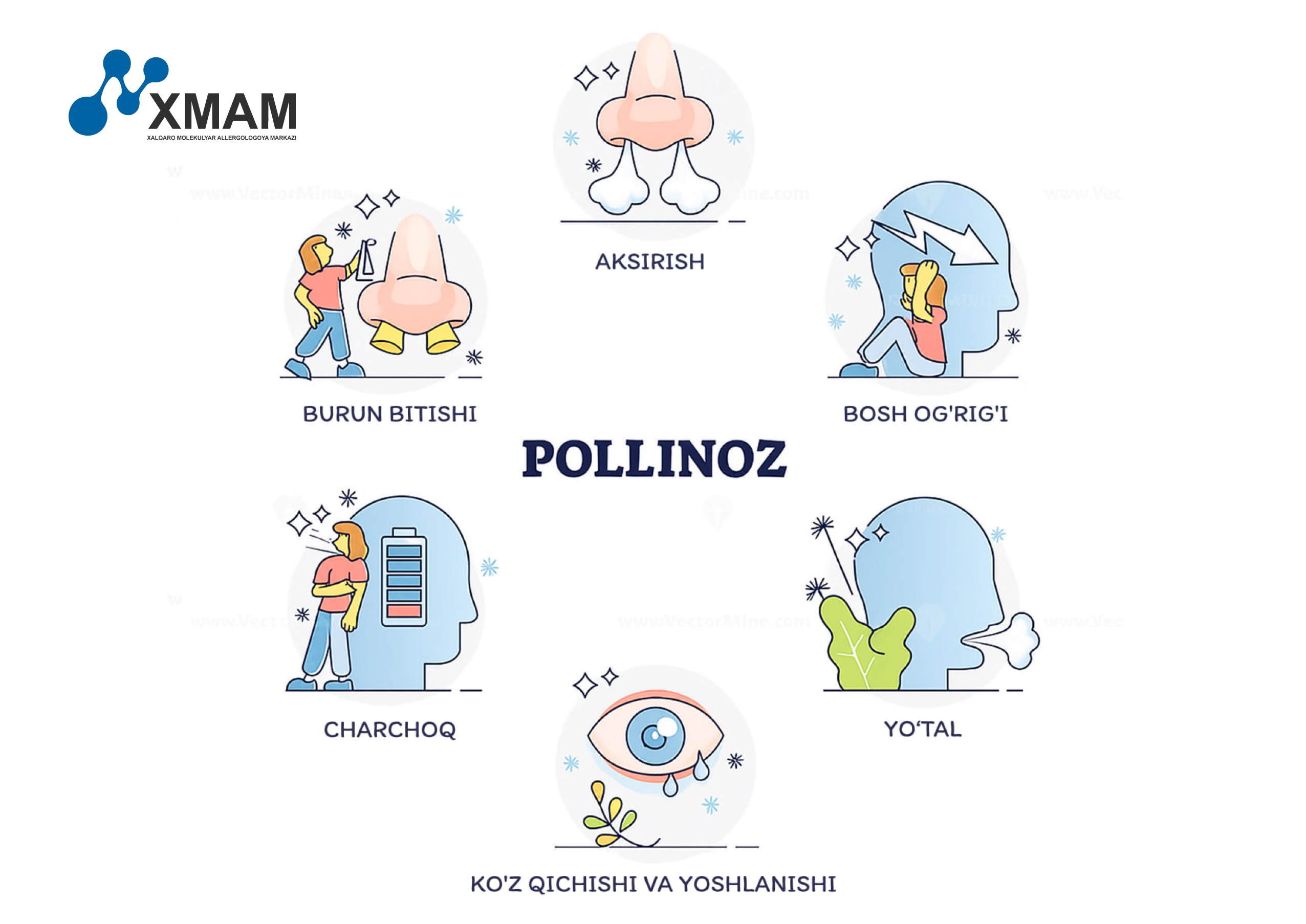
Pollinosis, or pollen allergy, is an allergic reaction to plant pollen. It commonly affects the mucous membranes of the eyes and respiratory tract, as well as the skin. Typical symptoms include itchy and red eyes, tearing, nasal itching, runny or blocked nose, sneezing, coughing, shortness of breath, and skin redness or rashes.
In some cases, the digestive system, cardiovascular system, and nervous system may also be involved in the allergic response.
Pollinosis tends to occur during three major pollen seasons throughout the year:
Tree pollen season: from February to early May;
Grass and herb pollen season: from April to June;
Weed pollen season: from July until cold weather sets in.
The final wave of pollinosis is caused by weed pollens, which include plants from families such as Amaranthaceae, Asteraceae, and Plantaginaceae.
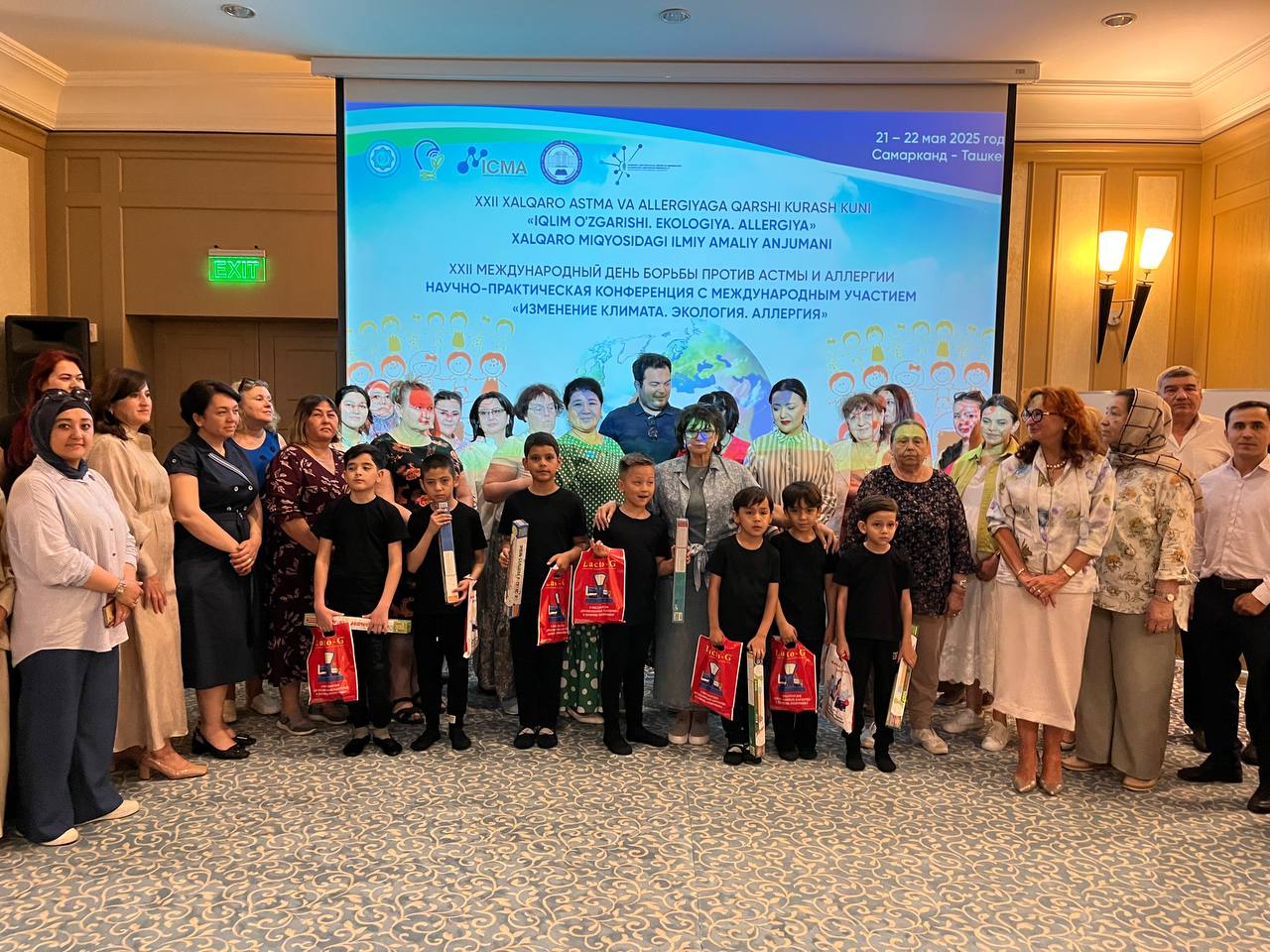
International Scientific and Practical Conference "Climate Change. Ecol…
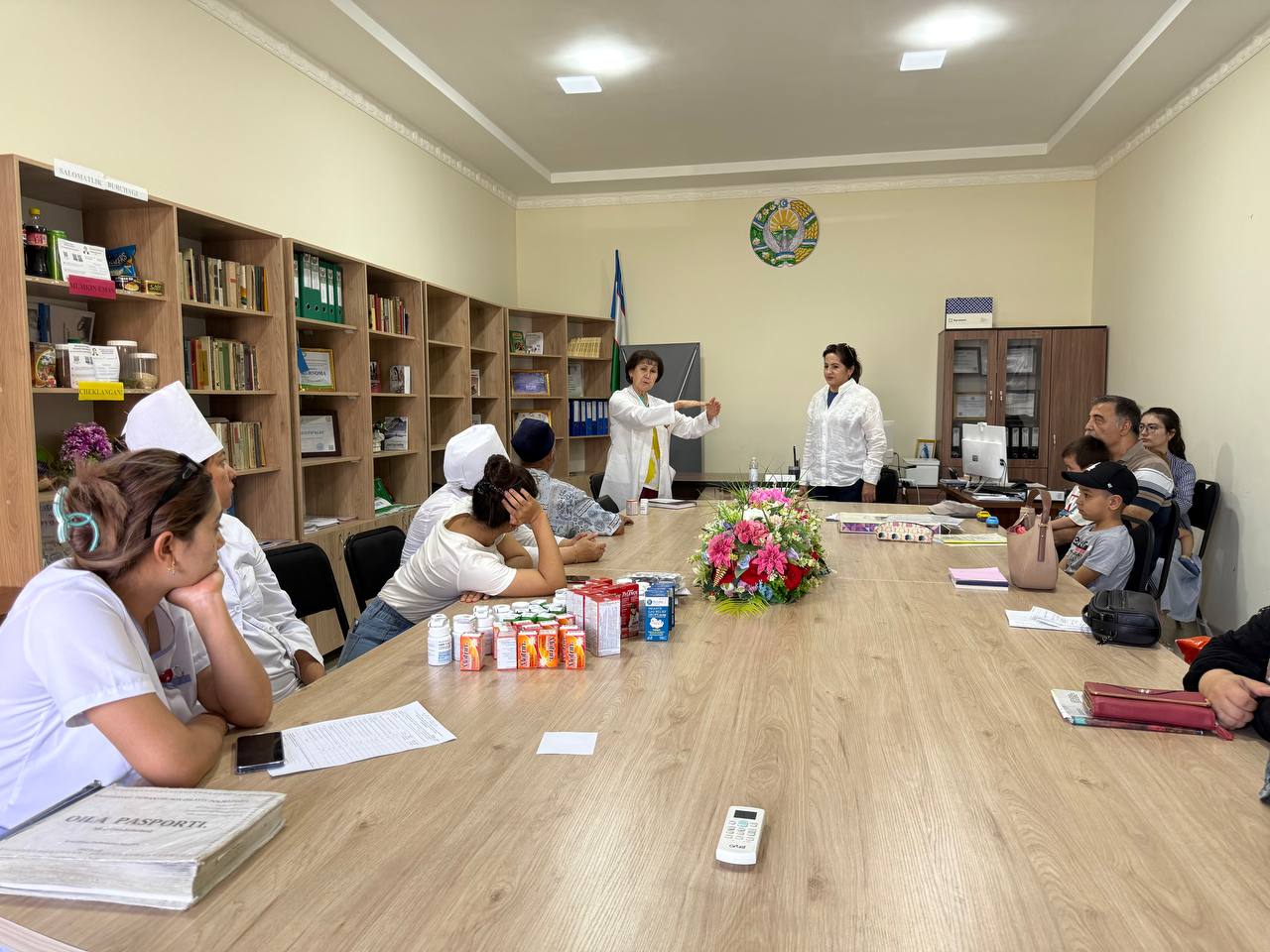
Specialists from the International Center for Molecular Allergology, in coop…

Today, in honor of World Allergy Awareness Day, specialists from the Interna…
